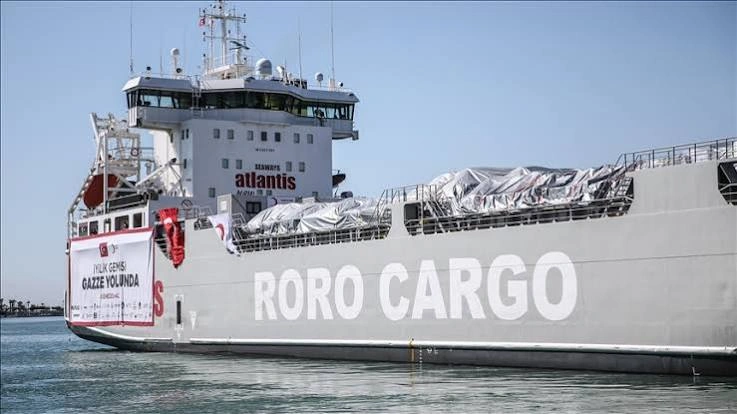
The Global Sumud Flotilla is a massive civilian maritime movement organized to deliver humanitarian aid directly to the Gaza Strip. Derived from the Arabic word meaning steadfastness, the Global Sumud Flotilla aims to directly challenge the naval blockade on Gaza.
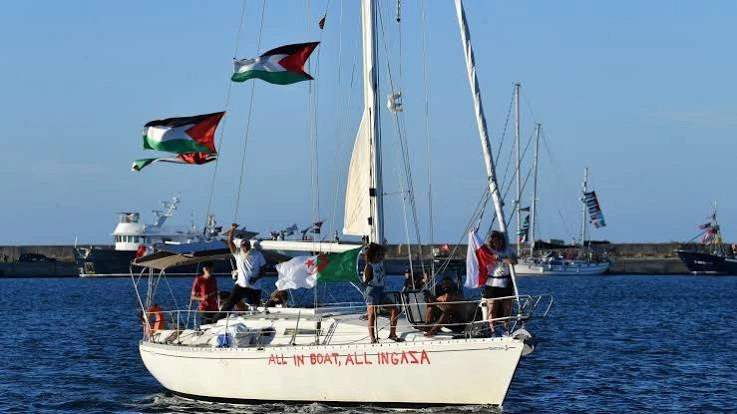
The text below covers the complete intent, features, challenges, and recent developments regarding this global humanitarian campaign.
Understanding the Global Sumud Flotilla
The Global Sumud Flotilla represents a coalition of international civil rights groups, humanitarian workers, and citizens operating independently of political parties. It stands out as the largest coordinated civilian maritime mobilization for Palestine in history. Rather than relying on governmental channels, the movement relies entirely on citizen action to deliver vital supplies directly to civilians caught in a conflict zone.
Top Objectives and Mission Targets
The primary goal of the fleet is to break the illegal military siege and assert the right of Palestinians to access the sea and the outside world. Organizers aim to open a permanent, civilian operated sea route to ensure regular access to essentials.
The cargo holds of these vessels carry hundreds of tons of life saving aid. This includes baby formula, medicine, school supplies, food, and essential hospital equipment.
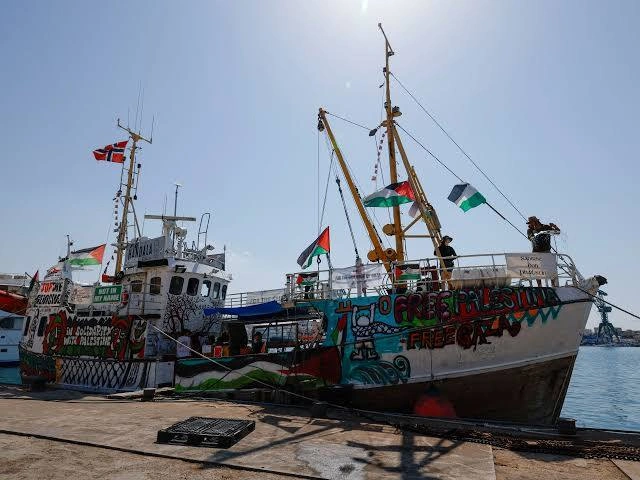
Beyond physical supplies, the flotilla serves to draw worldwide media attention to the suffering in Gaza. By sailing directly into contested waters, the organizers use their physical presence to expose international silence and demand political accountability.
Composition and Group Dynamics
The campaign is managed by four distinct international coalitions joining forces under a single umbrella. These include the Freedom Flotilla Coalition, the Global Movement to Gaza, the Maghreb Sumud Flotilla from North Africa, and Sumud Nusantara from Southeast Asia.
The fleet consists of dozens of civilian vessels, reaching a count of over 60 ships during major deployments. Thousands of activists have registered from more than 44 countries. The passengers are entirely unarmed civilians, including specialized teams of doctors, nurses, human rights defenders, lawyers, and journalists. Famous public figures and political leaders have also joined the ships to add global visibility.
Interception and Confrontation at Sea
The journey across the Mediterranean Sea involves passing through highly sensitive international and territorial waters. Israeli naval warships have repeatedly encircled and intercepted the civilian vessels. These operations often take place hundreds of nautical miles away from the coast, in international waters.
Israeli authorities justify these actions under international military blockade guidelines, viewing unauthorized entries as a security threat. The military routinely seizes the ships and prevents the cargo from reaching the shore.
Human Rights Issues and Detention Accounts
Following maritime interceptions, activists are taken into state custody. Returning detainees have brought forward serious allegations regarding their treatment during detention at sea and in ports.
Reports collected by legal and medical professionals detail physical assault, use of tasers, and sleep deprivation. A landmark investigation highlighted independent hospital records and medical evidence showing fractured bones and other severe physical trauma among released activists. International legal experts state that using violence against captured, non violent humanitarian workers stands in clear violation of the protections outlined in the Geneva Convention.
Legal Action and Accountability
The legal representatives of the Global Sumud Flotilla have initiated widespread legal counteractions. Law firms and human rights advocates are systematically compiling witness testimonies, medical records, and video footage from the events.
Active criminal investigations have been launched in over 20 countries whose citizens were harmed during the operations. Human rights lawyers are pursuing individual liability in international courts, pressuring global governments to look past diplomatic ties and hold the military actions accountable under international maritime law.
Future Plans and Resilience
Despite ongoing confrontations, legal barriers, and physical injuries, the steering committee of the organization remains steadfast. Organizers frequently hold international press conferences to announce regrouped and expanded fleets. The movement operates on the moral principle that civil society must step up and take direct action when formal institutions and governments fail to protect human lives.