
Feeding a family every day can feel like a heavy chore. Between busy work schedules, school activities, and different food preferences, deciding “what is for dinner” causes daily stress. However, you do not need to be a professional chef to manage your kitchen smoothly. By learning a few simple strategies, you can save money, reduce stress, and serve healthy meals your family will love.
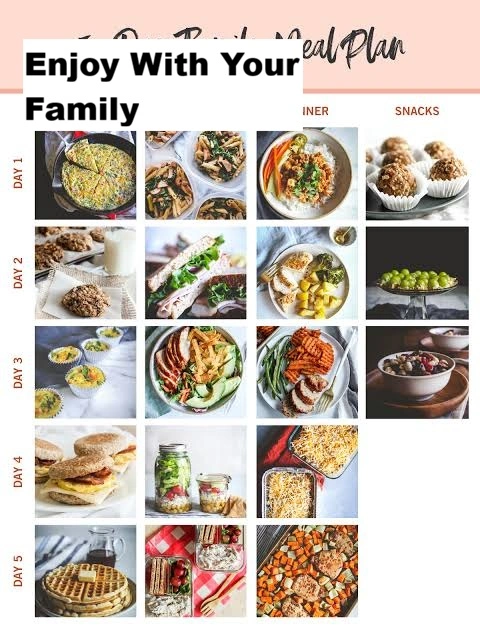
This article explains the basics of family meal planning, provides an easy 7-day plan, and shares tips on how to shop smart.
Why You Should Plan Your Meals?
Family Meal planning simply means deciding what you will eat before you go to the grocery store. When you have a plan, you experience three major benefits:
- Less Mental Fatigue: You do not have to make last-minute decisions when you are already tired at the end of the day.
- Lower Grocery Bills: You only buy what you actually need, which stops you from wasting money on items that will spoil in the fridge.
- Healthier Choices: It is much easier to avoid fast food or frozen processed meals when you already have a fresh dinner ready to cook.
The Secret Strategy: Smart Crossover Ingredients
The biggest mistake people make is planning seven completely different meals with entirely different ingredients. This leads to a massive grocery bill and hours of extra cooking time.
Instead, successful meal planners use smart crossover ingredients. This means you buy a large amount of a core ingredient—like a specific protein or vegetable, and use it across two or three different nights in different ways.
For example, if you cook a large amount of chicken on Monday, you can shred the leftover meat to make a quick stir-fry on Wednesday. If you cook ground beef on Tuesday, you can use the rest for tacos on Thursday. This keeps dinner exciting but cuts your kitchen time in half.
A Sample 7-Day Dinner Rotation
Here is an adaptable weekly menu designed for busy families. It balances heavier cooking nights with quick, low-effort meals.
Monday: Roast Chicken with Garlic Vegetables
- The Action: Roast a double portion of chicken breasts or a whole chicken in the oven. Serve it with roasted potatoes and green beans.
- The Strategy: After dinner, shred all the remaining chicken meat and store it in a container for Wednesday.
Tuesday: Creamy Tomato Beef & Pasta Bake
- The Action: Cook a double batch of ground beef in a pan with onions and garlic. Mix half of the beef with pasta and tomato sauce, top it with cheese, and bake it.
- The Strategy: Put the other half of the cooked ground beef in the fridge to use on Thursday.
Wednesday: 15-Minute Chicken Fried Rice
- The Action: Take Monday’s leftover shredded chicken. Toss it into a hot pan with cooked rice, a few frozen peas, carrots, scrambled eggs, and soy sauce.
- The Strategy: Using day-old rice and pre-cooked chicken makes this meal faster than ordering takeout.
Thursday: Quick Ground Beef Tacos
- The Action: Take Tuesday’s leftover ground beef and warm it up in a pan with taco seasoning.
- The Strategy: Serve the meat in warm tortillas with cheese, lettuce, and salsa. Kids love assembling their own tacos.
Friday: “Clean-Out-The-Fridge” Pizza Night
- The Action: Use a store-bought pizza crust or flatbread. Let the family top it with whatever is left in the fridge.
- ** The Strategy:** Leftover taco cheese, diced onions, tomatoes, or bits of chicken make excellent pizza toppings.
Saturday: Hearty Lentil or Chickpea Curry
- The Action: Cook a simple, warm curry using canned chickpeas or lentils, coconut milk, and curry powder.
- The Strategy: Having at least one meatless night per week drastically lowers your weekly food expenses while adding healthy fiber to your diet.
Sunday: Slow-Cooker Vegetable Soup
- The Action: Chop up any remaining root vegetables (like carrots, celery, or potatoes) and put them in a slow cooker with vegetable broth and canned tomatoes.
- The Strategy: Let it simmer all day long for a completely hands-off, comforting Sunday dinner.
How to Organize Your Grocery Shopping?
To save time inside the store, always organize your grocery list by the layout of the supermarket. This prevents you from running back and forth between aisles.
| Grocery Section | Core Items to Buy | How They Are Used |
|---|---|---|
| Proteins | Whole chicken, Ground beef | These form the base of four separate dinners. |
| Produce | Onions, Carrots, Potatoes, Lettuce, Garlic | Used as base flavors and healthy side dishes throughout the week. |
| Pantry Staples | Rice, Pasta, Tortillas, Canned tomatoes, Chickpeas | Long-lasting items that fill up the plate and cross over into multiple meals. |
| Dairy & Eggs | Shredded cheese, Eggs, Milk | Essential for taco toppings, baking, and quick breakfast additions. |
Wisdom from Real Family Kitchens
Experienced home cooks use two major tricks to keep meal planning sustainable over a long period of time:
- Use Daily Themes: Do not reinvent the wheel every week. Give each day a loose theme, such as “Pasta Tuesday” or “Stir-Fry Wednesday”. You can change the specific ingredients each week, but knowing the type of food you are making reduces the mental burden of planning.
- Put Breakfast and Lunch on Repeat: Do not waste energy planning unique breakfasts and lunches every day. Pick two or three simple options (like oatmeal, sandwiches, or eggs) and alternate them throughout the week. Save your creative energy strictly for dinner.
Conclusion
The secret to meal planning is to start small. Do not try to organize a perfect, complicated menu right away. Start by planning just three days of dinners using a single crossover ingredient. Once you see how much time and money you save, expanding to a full week will feel natural and rewarding.
Watch more on InfoGrandpa.com:
How to Remove Duplicate Google Sheets (The Easiest Way 2026)