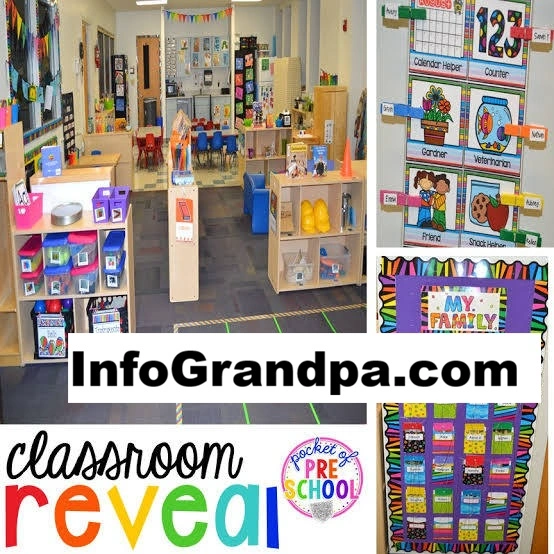
What is a Classroom Center?
A classroom center is a specific area inside an educational room equipped with specialized materials. These zones give students the freedom to explore subjects through practical application rather than traditional lectures. Instead of following a single rigid lesson plan, students move between different physical hubs depending on their specific learning needs.
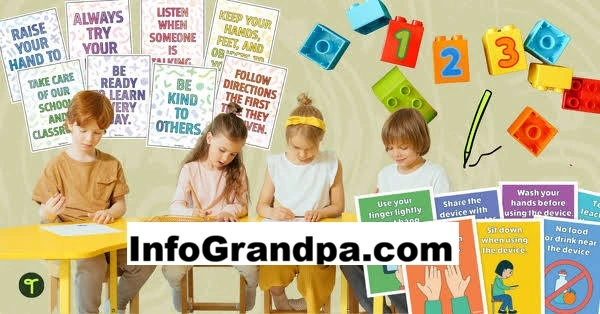
These spaces are common in early childhood, kindergarten, and elementary education environments. They shift the focus from a teacher centered lecture to active student participation.
Core Benefits of Dedicated Learning Hubs
Creating Classroom Centre improves classroom management by giving energetic learners a clear purpose. Students learn to transition between tasks cleanly without needing direct adult intervention at every step.
Academically, these hubs support diverse learning styles. A single topic can be taught visually in one corner, textually in another, and physically through hands on puzzles in a third zone. This structure naturally nurtures social development as peers work in small groups, sharing tools and solving problems together.
Types of Essential Classroom Centers
An organized classroom typically splits into several specialized learning zones. The reading and literacy hub features a cozy rug, comfortable cushions, and accessible bookshelves to encourage quiet focus. Nearby, a math and manipulatives area holds blocks, counting beads, and shape sorters to teach early engineering and spatial reasoning.
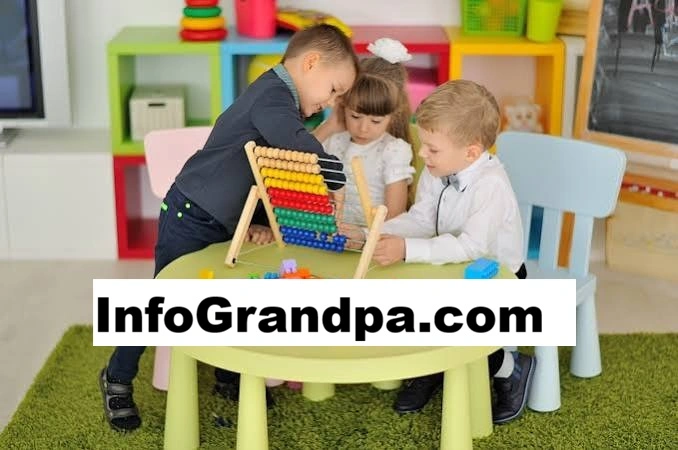
The science and exploration center provides magnifying glasses, natural specimens, and observation kits. For creative expression, an art station provides raw materials like markers, clay, and colored paper to build fine motor skills.
Designing the Physical Layout and Navigation
Effective room design separates high traffic, noisy zones from quiet reading corners. Using color coded storage bins helps young children identify where materials live, ensuring a smoother cleanup process.
Clear visual signage is placed at eye level above each center so students can easily navigate the room. Many teachers use physical limit tags, such as a set number of velcro name badges, to control how many children can occupy a single center at one time.
Best Practices for Managing Center Rotations
Successful implementation relies on teaching clear behavioral expectations before letting students use the stations. Teachers model exactly how to use the tools, interact with peers, and clean up the space.
A structured rotation schedule, often managed using a visual board or a central timer, keeps transitions uniform. While students work independently or in small groups, the educator is free to move around the room, offering targeted support to students who need extra guidance.
More on InfoGrandpa.com:
| Global Sumud Flotilla Objectives, Mission and Latest Developments | Global Sumud Flotilla Objectives, Mission and Latest Developments |
|---|