

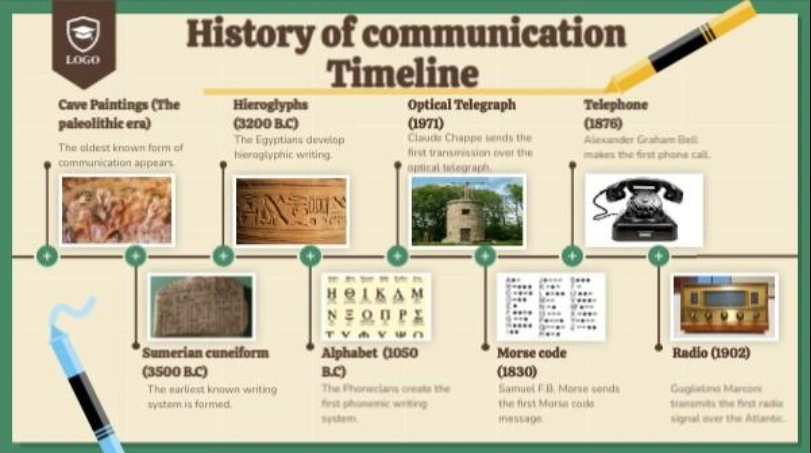
Language is one of the most important parts of human life. It helps people share thoughts, feelings, knowledge, and experiences with each other. From simple sounds made by early humans to thousands of languages spoken today, language has changed a lot over thousands of years.
Every language has a story behind it. Some languages became powerful because of large empires, trade, and migration. Some languages disappeared because people stopped using them. Many modern languages are connected with very old languages that existed thousands of years ago.
The history of languages is not only about words. It is also about human movement, culture, inventions, wars, and the way people lived in different parts of the world.
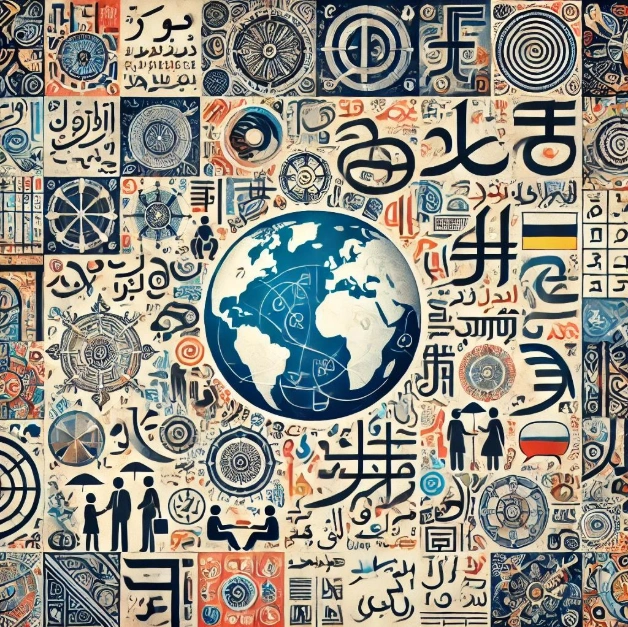
Today, there are more than 7,000 languages spoken around the world. Some are spoken by millions of people, while some have only a few remaining speakers. Learning about language history helps us understand how humans developed and how different cultures are connected.
What Is The History Of Languagea?
The history of languages means the study of how human languages started, changed, and developed over time.
Thousands of years ago, humans did not have written languages. They communicated using sounds, signs, and simple expressions. Over time, these sounds became more organized, and people created words to describe objects, actions, and feelings.
As human groups moved from one place to another, their languages also changed. Different communities created their own ways of speaking. Slowly, these differences became separate languages.
For example, Latin was once spoken in the Roman Empire. After many years, Latin changed into different languages like French, Spanish, Italian, Portuguese, and Romanian.
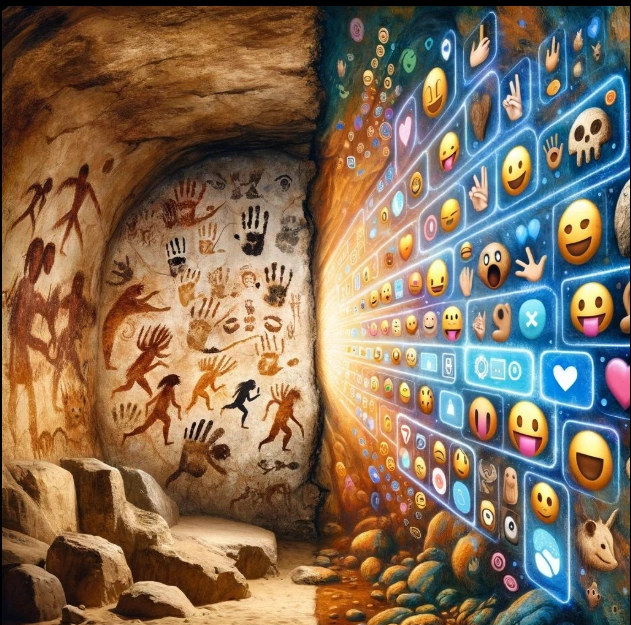
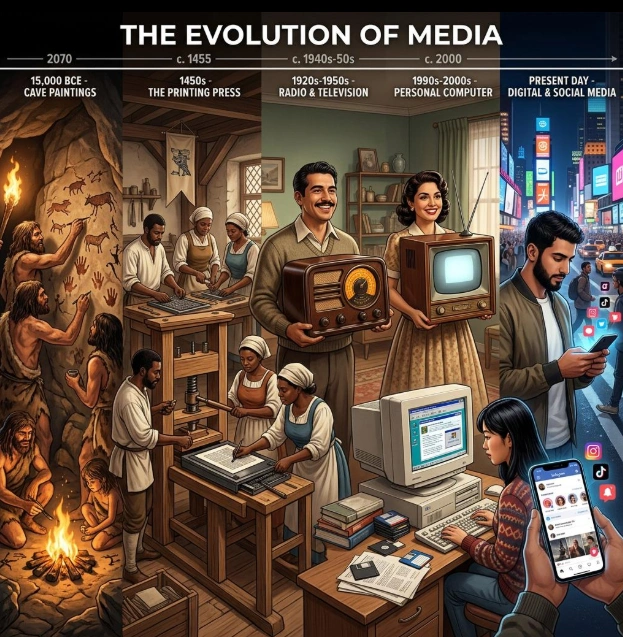
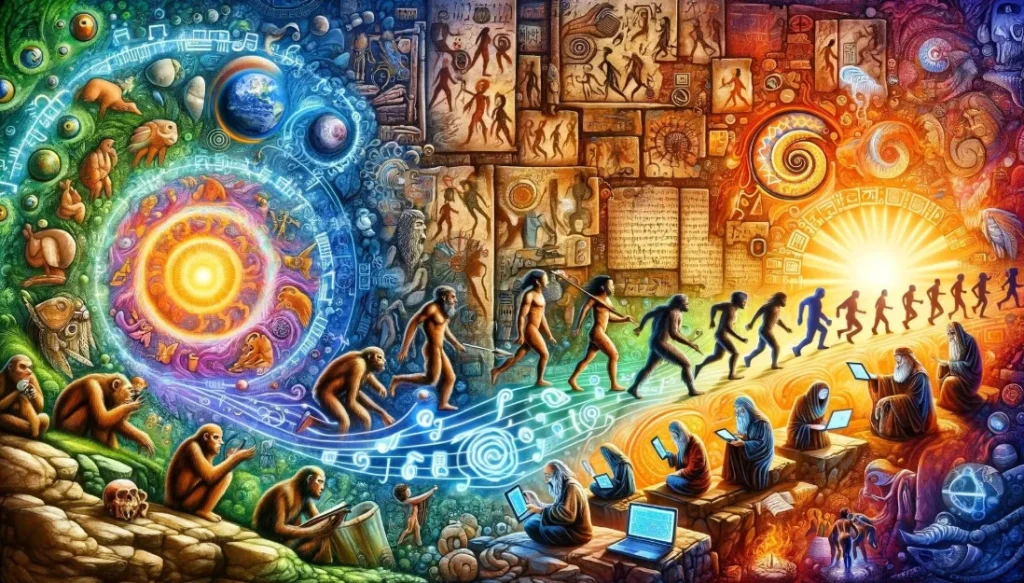
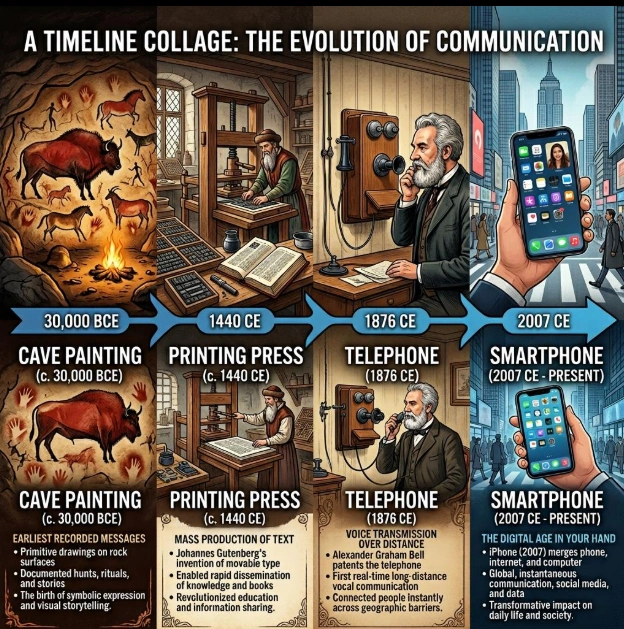
This shows that languages are not fixed. They continue changing with every generation.
How Did The First Human Languages Begin?
The exact beginning of human language is still unknown. Scientists and researchers have different ideas about when humans started speaking.
Some researchers believe that early forms of communication started hundreds of thousands of years ago when humans used simple sounds and gestures.
Early humans needed communication for many reasons. They needed to warn others about danger, find food together, teach skills, and build social relationships.
At the beginning, communication was probably very simple. Humans may have used a small number of sounds for common things. With time, these sounds became more complex and turned into words.
The development of language was a slow process. It did not happen in one day. It was a result of many generations of human learning and adaptation.
The Early Development Of Human Speech
The first humans did not have modern languages like English, Arabic, Chinese, or Hindi. Their communication was much simpler.
They used:
• Basic sounds
• Facial expressions
• Body movements
• Hand signs
• Simple calls
As human societies became larger, better communication became necessary.
People needed words for:
• Animals
• Plants
• Places
• Family members
• Tools
• Weather
• Daily activities
When humans started living in groups, language became an important tool for survival.
It helped people share hunting methods, pass stories to younger generations, and protect their communities.
Over thousands of years, different groups developed different languages based on their environment and culture.
The First Written Languages
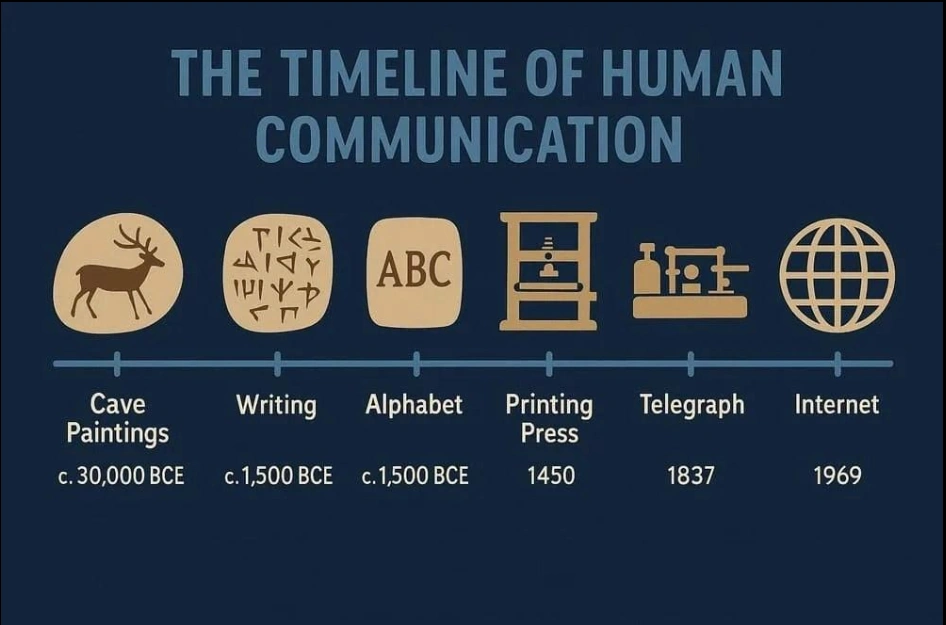
For a very long time, humans only used spoken languages. Writing appeared much later.
The first known writing systems developed around 5,000 years ago. These early writing systems allowed people to record information, keep business records, write laws, and save stories.
Some of the oldest written languages include:
Sumerian Language
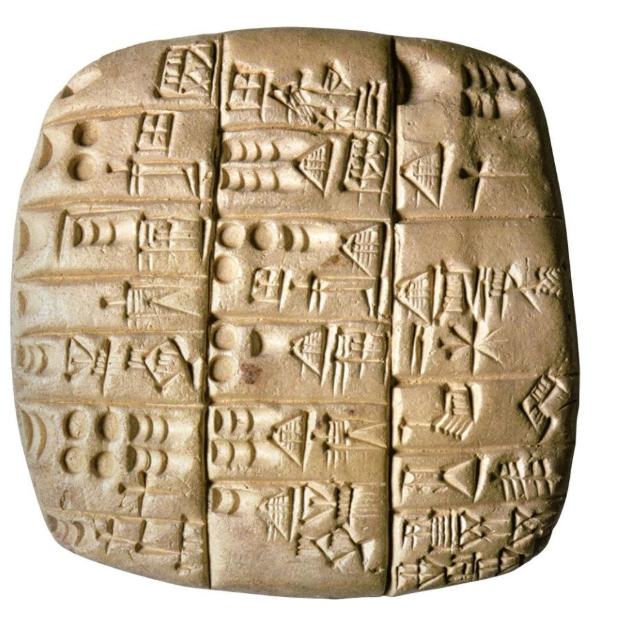
Sumerian is considered one of the oldest written languages in human history. It was used in ancient Mesopotamia, an area that is now part of modern Iraq.
The Sumerians created cuneiform writing. They used small marks pressed into clay tablets.
They used writing for:
• Trade records
• Government information
• Religious texts
• Stories
One famous ancient story written in Sumerian is the Epic of Gilgamesh.
Although Sumerian is no longer spoken today, it played an important role in the development of writing.
Ancient Egyptian Language
Ancient Egyptian was another very old language. It developed thousands of years ago along the Nile River.
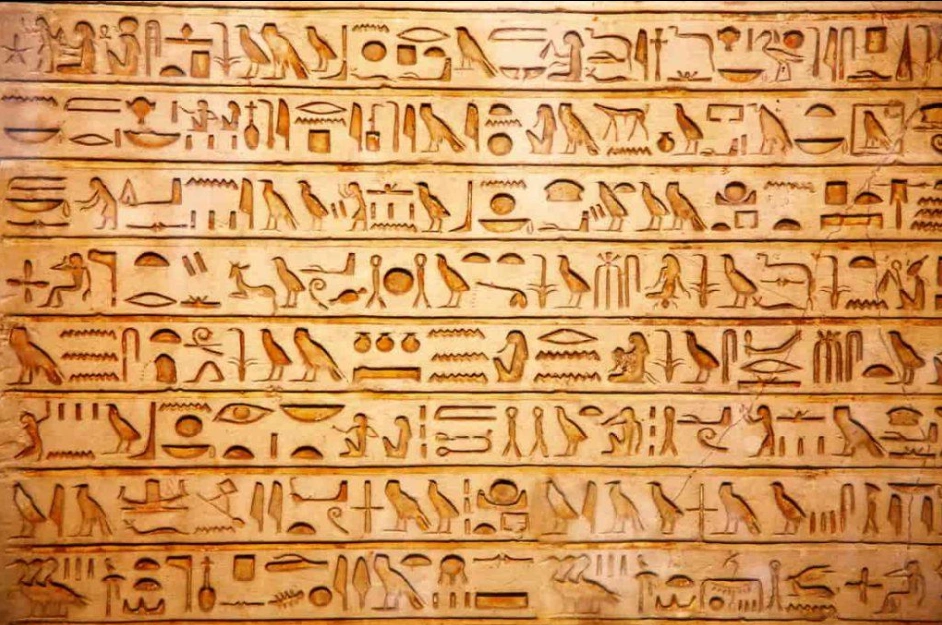
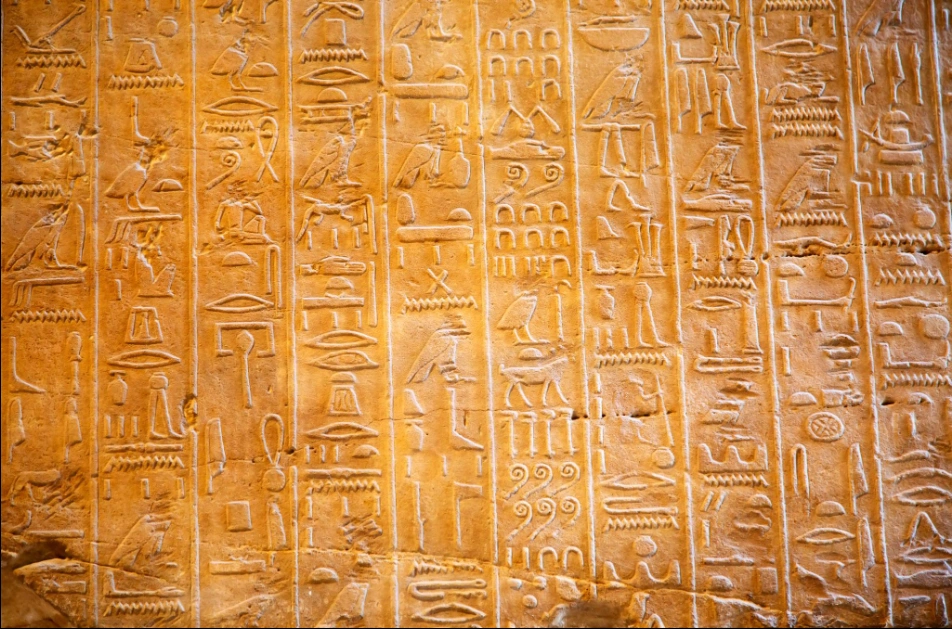
Egyptians created a writing system called hieroglyphics. These symbols were used on temples, monuments, and important documents.
The Egyptian language changed through different periods and influenced later languages in the region.
Ancient Egyptian writings helped modern researchers understand the life, beliefs, and culture of ancient Egypt.
Sanskrit Language
Sanskrit is one of the oldest languages of South Asia. It became an important language for religion, literature, and education.
Many ancient Indian texts were written in Sanskrit, including important Hindu religious writings.
Sanskrit also influenced many modern languages spoken in India and nearby regions.
Languages like Hindi, Bengali, Marathi, and Nepali contain many words that came from Sanskrit.
Ancient Chinese Language
Chinese has one of the longest continuous histories among world languages.
The earliest Chinese writing appeared on oracle bones thousands of years ago.
Over time, Chinese developed into different forms and dialects. Modern Chinese languages are connected with these ancient forms.
Chinese writing has also influenced nearby cultures, especially Japan, Korea, and Vietnam.


The Growth Of Language Families
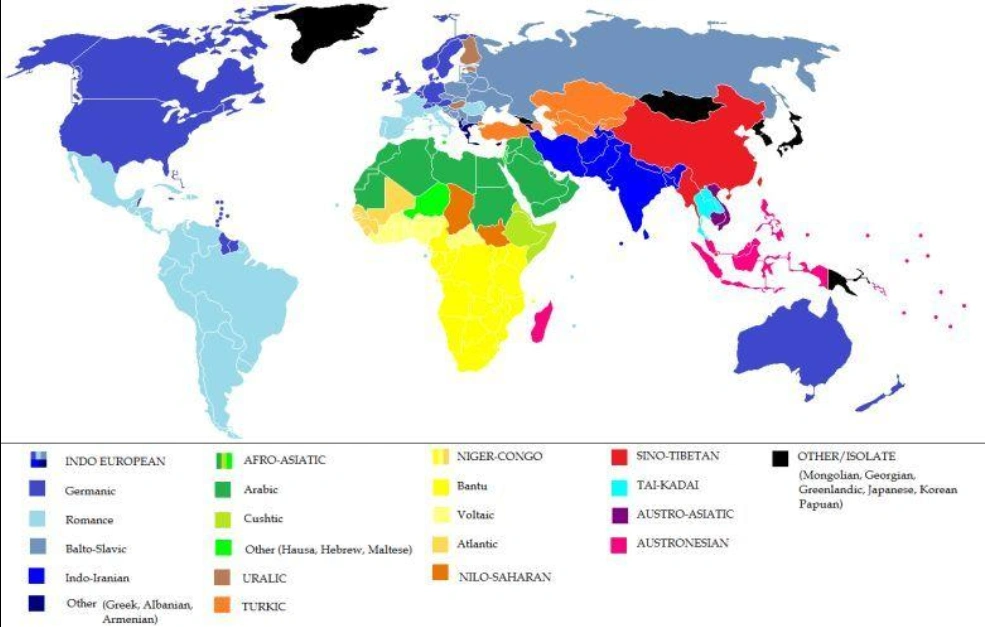
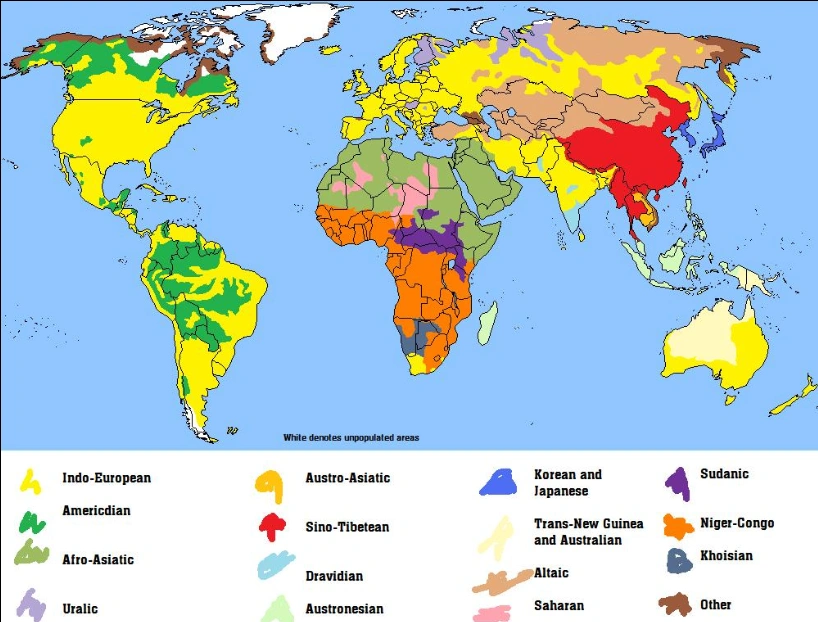
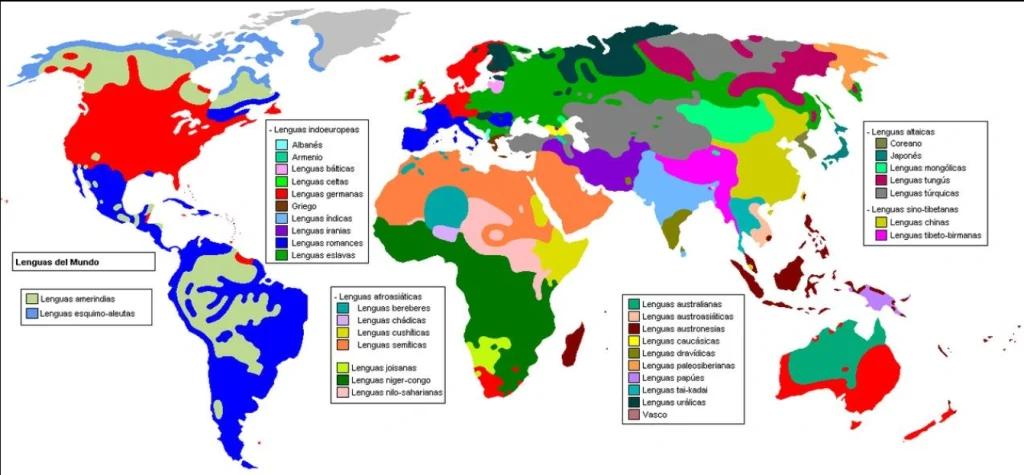
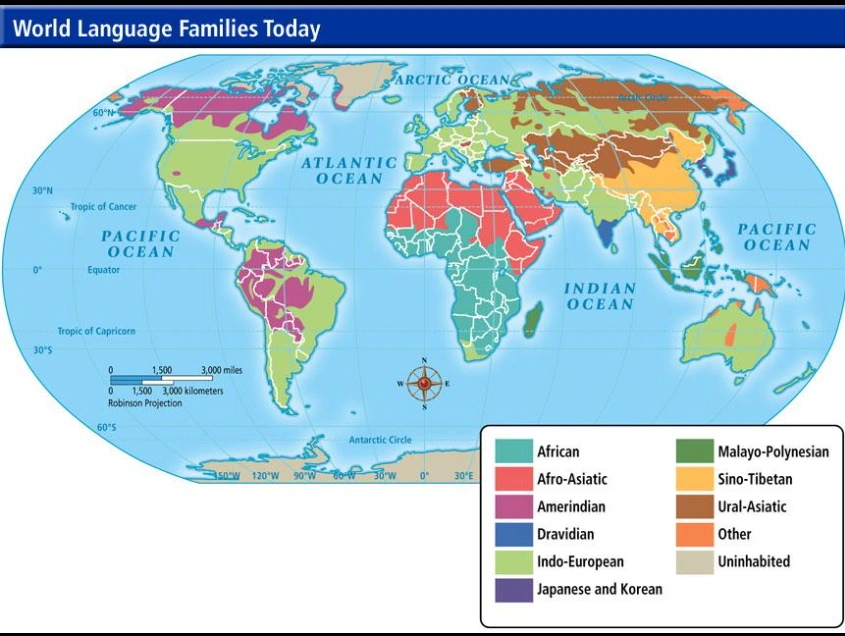
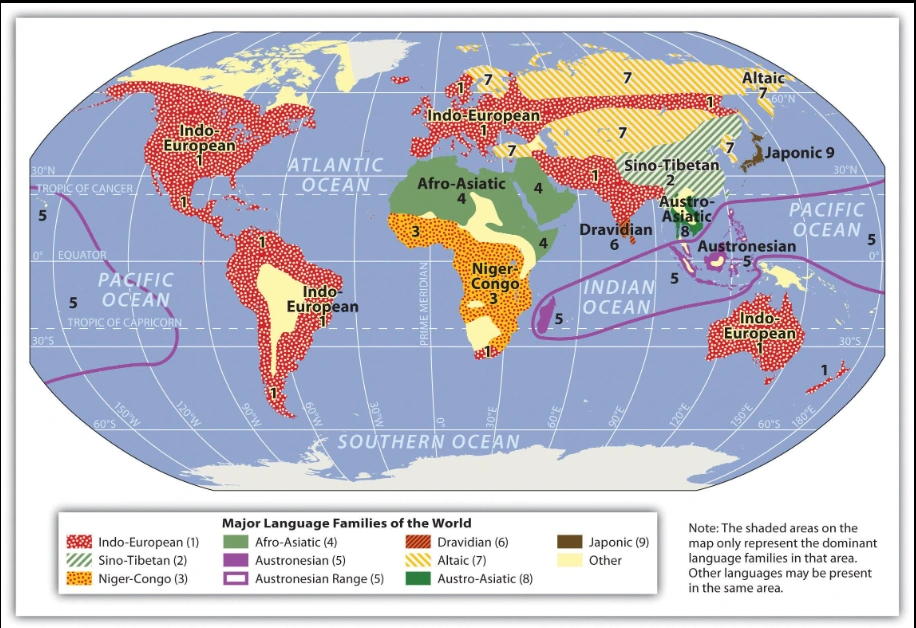
Languages around the world are not completely separate from each other. Many languages are connected because they developed from older common languages.
These groups are called language families.
A language family includes languages that share a common ancestor.
For example:
English, Spanish, German, Hindi, Persian, and many other languages belong to the Indo European language family.
They are different today, but thousands of years ago they developed from an older language called Proto Indo European.
Researchers study these connections by comparing words, grammar, and sounds.
For example:
English word “mother”
German word “Mutter”
Sanskrit word “Mata”
These words look different but have a similar ancient connection.
Indo European Language Family
The Indo European language family is one of the largest language groups in the world.
It includes many famous languages such as:
• English
• Spanish
• French
• German
• Italian
• Russian
• Hindi
• Bengali
• Persian
• Greek
Scientists believe that these languages developed from a common ancient language spoken thousands of years ago.
As people moved across Europe and Asia, this old language changed into different branches.
Over time, these branches became separate languages.
The spread of Indo European languages was connected with migration, farming, trade, and the growth of different civilizations.
Ancient Languages And The Rise Of Civilizations
As human societies became larger, languages also became more developed. Big civilizations needed better ways to communicate. People used languages for government, trade, religion, education, and daily life.
Many ancient languages became powerful because they were connected with strong civilizations. Some of these languages are still studied today because they left behind books, writings, and historical records.
Greek Language And Its Influence
Greek is one of the oldest languages in Europe with a long written history.
Ancient Greek developed thousands of years ago and became an important language for science, philosophy, art, and literature.
Many famous thinkers wrote in Greek, including philosophers like Plato and Aristotle.
Greek language had a strong effect on many areas of knowledge. Even today, many scientific and medical words come from Greek.
For example, many terms used in:
• Medicine
• Biology
• Astronomy
• Mathematics
have Greek roots.
The Greek language also spread through the influence of Alexander the Great. When his empire expanded across parts of Asia and the Middle East, a common form of Greek called Koine Greek became widely used.
Latin And The Expansion Of The Roman Empire
Latin started as a small language spoken in the region of Rome. However, when the Roman Empire expanded, Latin spread across a large part of Europe.
The Romans used Latin for:
• Government
• Laws
• Military communication
• Education
After the fall of the Roman Empire, Latin slowly changed in different regions.
These changes created new languages known as Romance languages.
Some modern Romance languages include:
• Spanish
• French
• Italian
• Portuguese
• Romanian
Although people do not speak Classical Latin in daily life today, Latin still influences many modern words.
Latin is also used in some scientific, legal, and religious areas.
The History Of Languages In Africa
Africa has a very rich language history. The continent is home to thousands of languages from different language families.
Some important African language groups include:
• Afro Asiatic languages
• Niger Congo languages
• Nilo Saharan languages
• Khoisan languages
Ancient Egypt had one of the earliest recorded languages in Africa. Egyptian writing and culture influenced many later civilizations.
Another important language family is Afro Asiatic. It includes languages like Arabic, Hebrew, and Amharic.
The spread of Arabic across North Africa happened after the rise of Islam. Arabic became an important language for religion, education, science, and trade.
Many African languages also spread through migration. For example, Bantu languages expanded across large parts of Africa thousands of years ago.
Today, languages like Swahili are widely used for communication and trade in East Africa.
The History Of Languages In Asia
Asia has always been one of the most important regions for language development.
Many of the world’s oldest written languages came from Asia, including:
• Sumerian in Mesopotamia
• Sanskrit in South Asia
• Chinese in East Asia
Asia has thousands of languages because of its large population and long history.
Sanskrit And South Asian Languages
Sanskrit played a major role in South Asian history.
It was used for religious texts, literature, science, and education.
Many modern South Asian languages developed with influence from Sanskrit.
Examples include:
• Hindi
• Bengali
• Marathi
• Gujarati
• Nepali
South Asia also has other major language families, including Dravidian languages.
Languages like Tamil, Telugu, Kannada, and Malayalam belong to the Dravidian family.
Tamil is one of the world’s oldest living languages. It has a written history that goes back more than two thousand years.
Chinese Language History
Chinese has one of the longest written traditions in the world.
The earliest Chinese writing was found on oracle bones used during ancient Chinese kingdoms.
Over thousands of years, Chinese changed through different stages.
Old Chinese slowly developed into different forms.
Today, Mandarin Chinese is the most spoken language in the world by the number of native speakers.
Chinese characters also influenced neighboring countries.
Japan, Korea, and Vietnam used Chinese writing systems in different periods of their history.
The History Of Languages In Europe
Europe has experienced many language changes because of migration, wars, and political changes.
Ancient Europe had many different languages. Some disappeared while others developed into modern languages.
The Indo European language family became very important in Europe.
It created many language groups, including:
• Germanic languages
• Romance languages
• Slavic languages
• Celtic languages
Germanic Languages
Germanic languages developed in northern Europe.
This group includes:
• English
• German
• Dutch
• Swedish
• Norwegian
• Danish
Old English was very different from modern English. It developed after Germanic tribes arrived in Britain.
Later, English changed because of contact with French and Latin.
Celtic Languages
Celtic languages were once spoken across large parts of Europe.
Today, only a few Celtic languages remain.
These include:
• Irish
• Welsh
• Scottish Gaelic
• Breton
Many Celtic languages became smaller because of political changes and the spread of other languages.
Slavic Languages
Slavic languages developed in Eastern Europe.
They include:
• Russian
• Polish
• Ukrainian
• Czech
• Bulgarian
• Serbian
These languages spread as Slavic groups moved into different areas.
How Migration Changed Languages?
Human movement has always been one of the biggest reasons languages change.
When people move to new places, they bring their language with them. Over time, their language mixes with local languages.
This creates new forms of speech.
For example, when different groups lived together, they exchanged:
• New words
• New sounds
• Grammar changes
Trade was also a major reason for language mixing.
Merchants who traveled between countries often used common languages to communicate.
The Role Of Empires In Language Spread
Powerful empires played a huge role in spreading languages.
When an empire controlled new areas, its language often became important for government and education.
Examples:
The Roman Empire spread Latin across Europe.
The Arab Empire helped spread Arabic across many regions.
The British Empire helped spread English to many parts of the world.
Colonial history changed the language map of many countries.
Today, languages like English, Spanish, French, and Portuguese are spoken in many places because of historical expansion.
Why Some Languages Disappeared
Not every language survived.
Many languages disappeared because people stopped speaking them.
There are several reasons why languages become extinct:
Migration
When people move and mix with other communities, smaller languages can slowly disappear.
Political Changes
Sometimes governments promote one language and reduce the use of others.
Wars And Conflicts
Wars can destroy communities and affect their languages.
Cultural Changes
Young generations may choose a more common language for education and jobs.
When the last speakers of a language die, that language may disappear forever.
Endangered Languages
An endangered language is a language that has fewer speakers and may disappear in the future.
Thousands of languages around the world are currently at risk.
Many indigenous languages are endangered because younger people are learning larger languages instead.
However, many organizations and communities are working to protect these languages.
They create:
• Language learning programs
• Digital records
• Books and dictionaries
• Educational materials
Saving languages also means protecting history and culture.
The Importance Of Writing In Language History
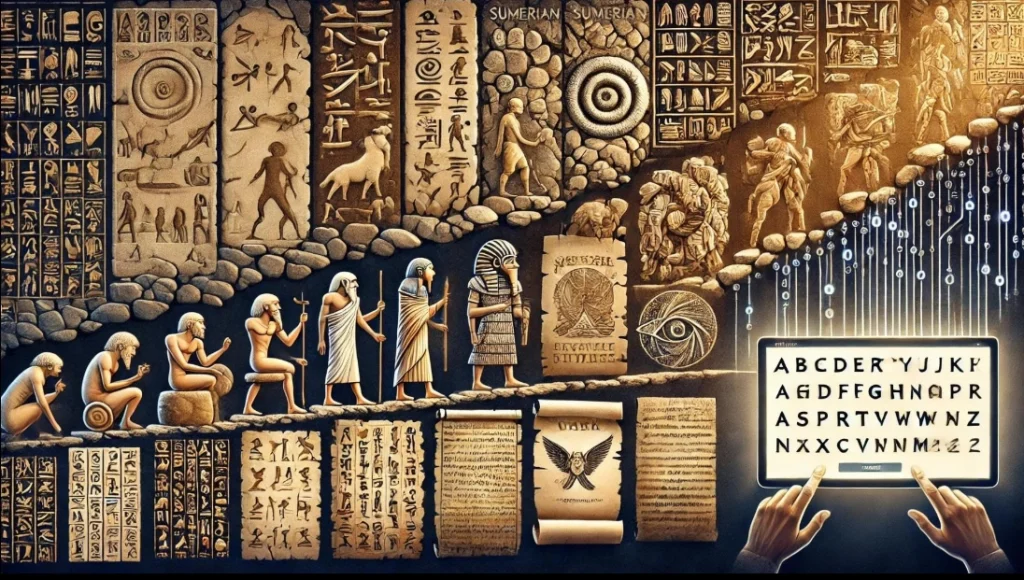
Language existed for thousands of years before humans created writing. People shared information through speaking, but spoken words could not be saved for future generations.
Writing changed everything.
It allowed humans to record:
• History
• Laws
• Stories
• Religious ideas
• Trade information
• Scientific knowledge
Because of writing, we can learn about ancient civilizations that existed thousands of years ago.
The earliest writing systems were not like modern alphabets. Many ancient people used symbols and pictures to represent objects and ideas.
Over time, these systems became more simple and organized.
Different Writing Systems Around The World
Different civilizations created their own writing methods.
Cuneiform Writing
Cuneiform was created by the Sumerians in Mesopotamia.
People wrote using a pointed tool on soft clay tablets. After drying, these tablets became permanent records.
Cuneiform was used for many languages, including Sumerian and Akkadian.
Egyptian Hieroglyphics
Ancient Egyptians used symbols called hieroglyphics.
These symbols represented sounds, objects, and ideas.
They were used on temples, tombs, and important documents.
Chinese Characters
Chinese writing developed thousands of years ago and is still used today.
Unlike alphabet systems, Chinese characters often represent meanings instead of individual sounds.
Alphabet Systems
The development of alphabets made writing easier.
The Phoenician alphabet had a major influence on many later writing systems.
It helped create the basis for:
• Greek alphabet
• Latin alphabet
• Many European writing systems
The Latin alphabet is now one of the most widely used writing systems in the world.
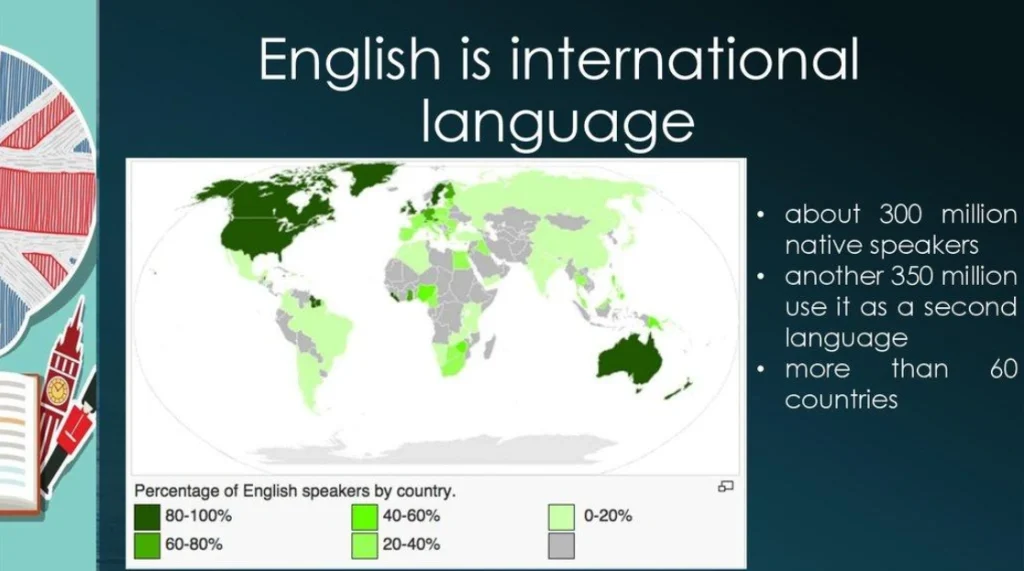
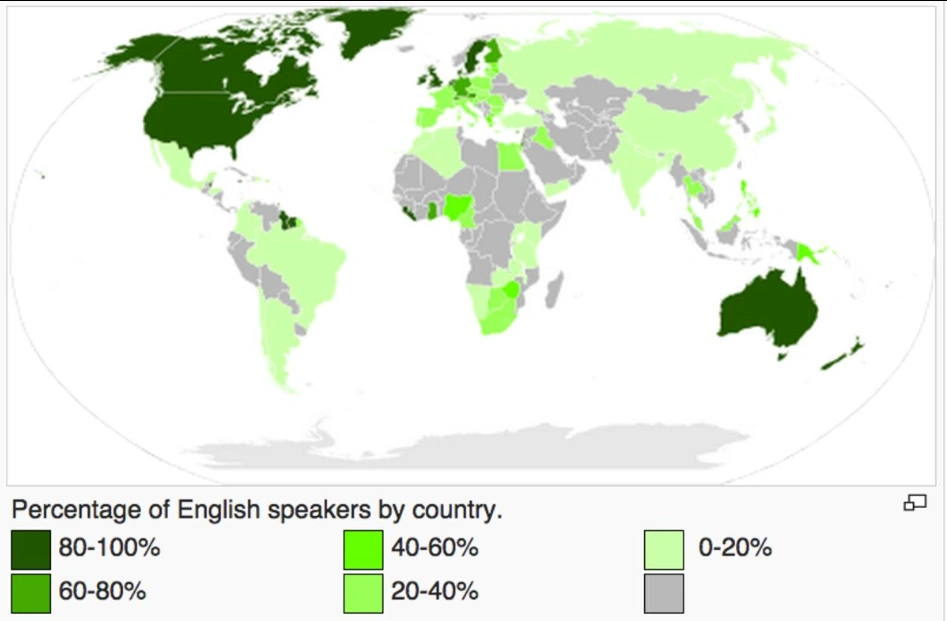
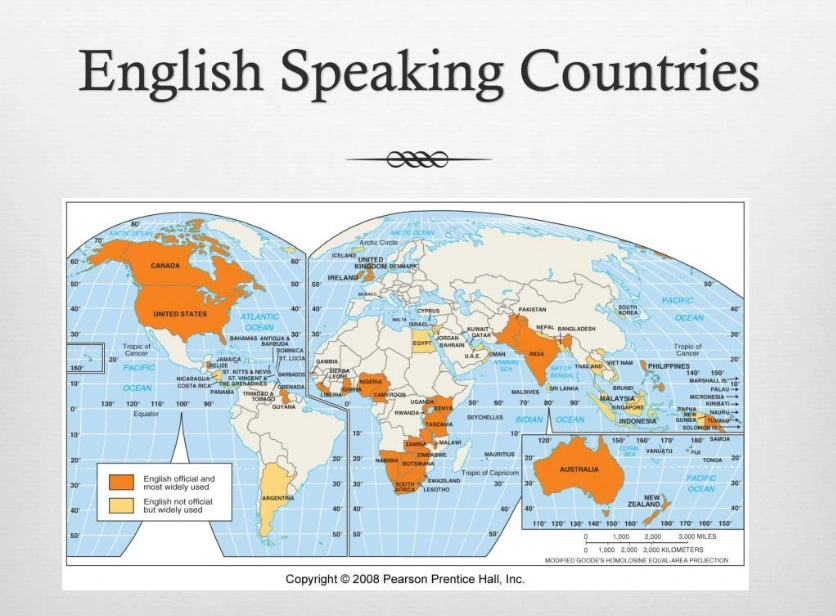
How English Became A Global Language
English is one of the most influential languages in the modern world.
However, English was not always a major international language.
The early form of English started in Britain when Germanic tribes arrived around the 5th century.
This language was called Old English.
Old English was very different from the English spoken today.
Later, many changes happened because of contact with other languages.
Influence Of Latin
Latin influenced English through religion, education, and science.
Many English words came from Latin.
Examples include:
• Education
• Information
• Culture
• History
Influence Of French
After the Norman conquest of England in 1066, French became important among rulers and educated people.
Many French words entered English.
Examples include:
• Government
• Court
• People
• Language
Expansion Of The British Empire
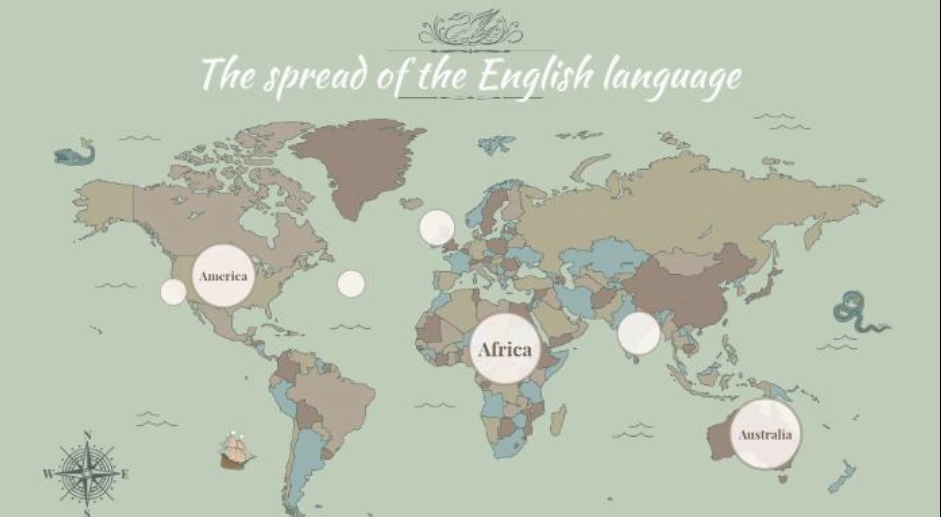
During the British Empire period, English spread to many parts of the world.
Countries in Asia, Africa, North America, and Oceania developed strong connections with English.
The Role Of Technology And Business
In modern times, English became important because of:
• International business
• Science
• Aviation
• Movies
• Internet communication
Today, English is one of the most commonly learned second languages worldwide.
The Connection Between Language And Culture
Language is not only a method of communication. It is also a part of culture.
A language carries the history, traditions, and ideas of the people who speak it.
Through language, people pass:
• Stories
• Songs
• Customs
• Knowledge
• Family traditions
When a language disappears, a part of human history can also disappear.
Many traditional stories and cultural ideas cannot be fully translated into another language because they are connected with specific words and meanings.
How Technology Changed Languages
Technology has changed the way people use language.
In the past, languages changed slowly because people had limited contact with other communities.
Today, the internet connects people from all over the world.
People communicate through:
• Social media
• Messaging apps
• Online games
• Websites
• Video platforms
Because of this, new words and expressions appear quickly.
For example, internet users created words like:
• Online
• Download
• Hashtag
• Emoji
• Streaming
Technology also helps protect old languages.
Many endangered languages are now being recorded through:
• Online dictionaries
• Digital books
• Language apps
• Audio recordings
Modern Language Changes
Languages continue changing every day.
New words are created because of:
• New inventions
• New lifestyles
• Social changes
• Global communication
For example, technology created many new terms related to computers and the internet.
Languages also borrow words from each other.
English has borrowed words from many languages, including:
From French:
• Restaurant
• Menu
From Arabic:
• Algebra
• Coffee
From Hindi:
• Jungle
• Shampoo
From Japanese:
• Anime
• Karaoke
This mixing shows how connected human societies are.
The Future Of Human Languages
The future of languages is difficult to predict.
Some languages may become more popular because of population growth and technology.
Other smaller languages may face challenges.
Large international languages like:
• English
• Chinese
• Spanish
• Arabic
will likely continue to have global importance.
However, many people are also working to protect smaller languages.
Modern technology gives communities new ways to teach and preserve their languages.
Online learning platforms, mobile apps, and digital records can help future generations learn languages that were once at risk.
Interesting Facts About Language History
1. Languages Are Always Changing
No language stays exactly the same forever.
The words and pronunciation of languages change with every generation.
2. Some Languages Have No Written Form
Many languages around the world are only spoken.
Their history is passed through stories and traditions.
3. Thousands Of Languages Exist Today
There are more than 7,000 languages spoken around the world.
Each language has its own unique history.
4. One Language Can Create Many Others
Old languages often divide into new languages over time.
Latin is one example that created many modern languages.
5. Some Languages Have Been Revived
Hebrew is a famous example of a language that was brought back into everyday use after being mainly used for religious purposes.
Why Learning Language History Is Important
Studying language history helps us understand human civilization.
It shows how people moved, traded, created societies, and shared ideas.
Languages connect the past with the present.
When we learn about languages, we also learn about:
• Human creativity
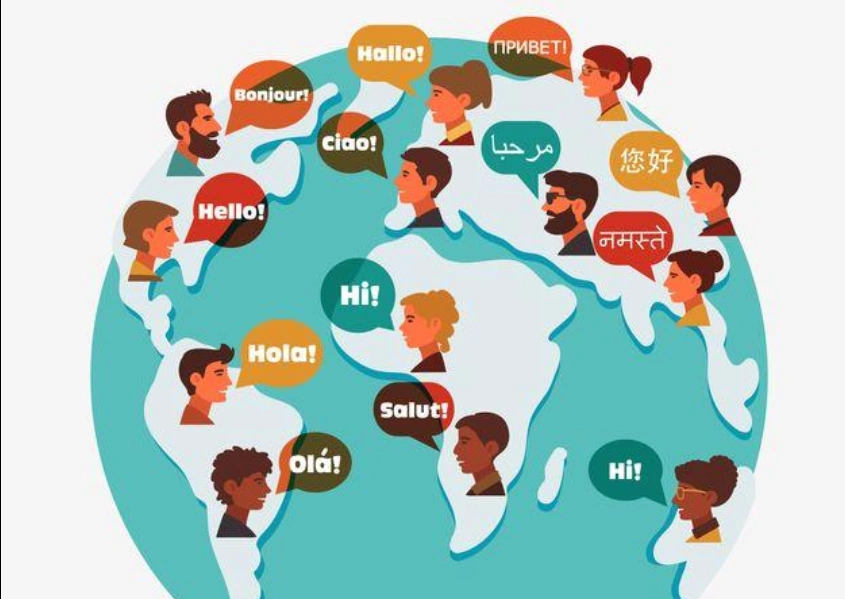
• Cultural diversity
• Ancient civilizations
• Social changes
Every language has value because every language represents a different human experience.



Conclusion
The history of languages is the history of humanity itself.
From simple sounds used by early humans to thousands of languages spoken around the world today, communication has always helped people survive and grow.
Languages have changed because of migration, civilizations, technology, and cultural exchange.
Some old languages disappeared, while others continued and became powerful around the world.
Today, languages are still changing. New words are created, old words gain new meanings, and people continue to develop new ways to communicate.
Understanding the history of languages helps us respect different cultures and understand how connected the world really is.
Stay tuned with Inforandpa.com for more.
Frequently Asked Questions (FAQs)
What is the oldest language in the world?
Sumerian is considered one of the oldest known written languages. It was used in ancient Mesopotamia thousands of years ago.
How did languages begin?
The exact beginning of language is unknown, but researchers believe early humans developed communication through sounds, gestures, and social interaction.
How many languages exist in the world?
There are more than 7,000 languages spoken around the world today.
Why do languages disappear?
Languages disappear when people stop using them due to migration, cultural changes, political pressure, or the loss of native speakers.
Which language is spoken by the most people?
Chinese, especially Mandarin, has one of the largest numbers of native speakers in the world.
Why does English have so many words from other languages?
English developed through contact with many cultures, including Latin, French, Germanic languages, and many others.
Can a dead language come back?
Yes, some languages can be revived through education, research, and community efforts. Hebrew is one well known example.